
Map the guest journey
List the decisions a guest makes from discovery to booking and arrival. Photograph the exterior, welcome, key spaces, service, signature offering and evening atmosphere in that order.
This creates a visual narrative while revealing gaps that isolated room or dish lists miss.
Schedule around light and operations
Assign rooms and tables to the time their light and readiness are strongest. Protect quiet windows for architecture, then introduce staff and models when service scenes can be directed safely.
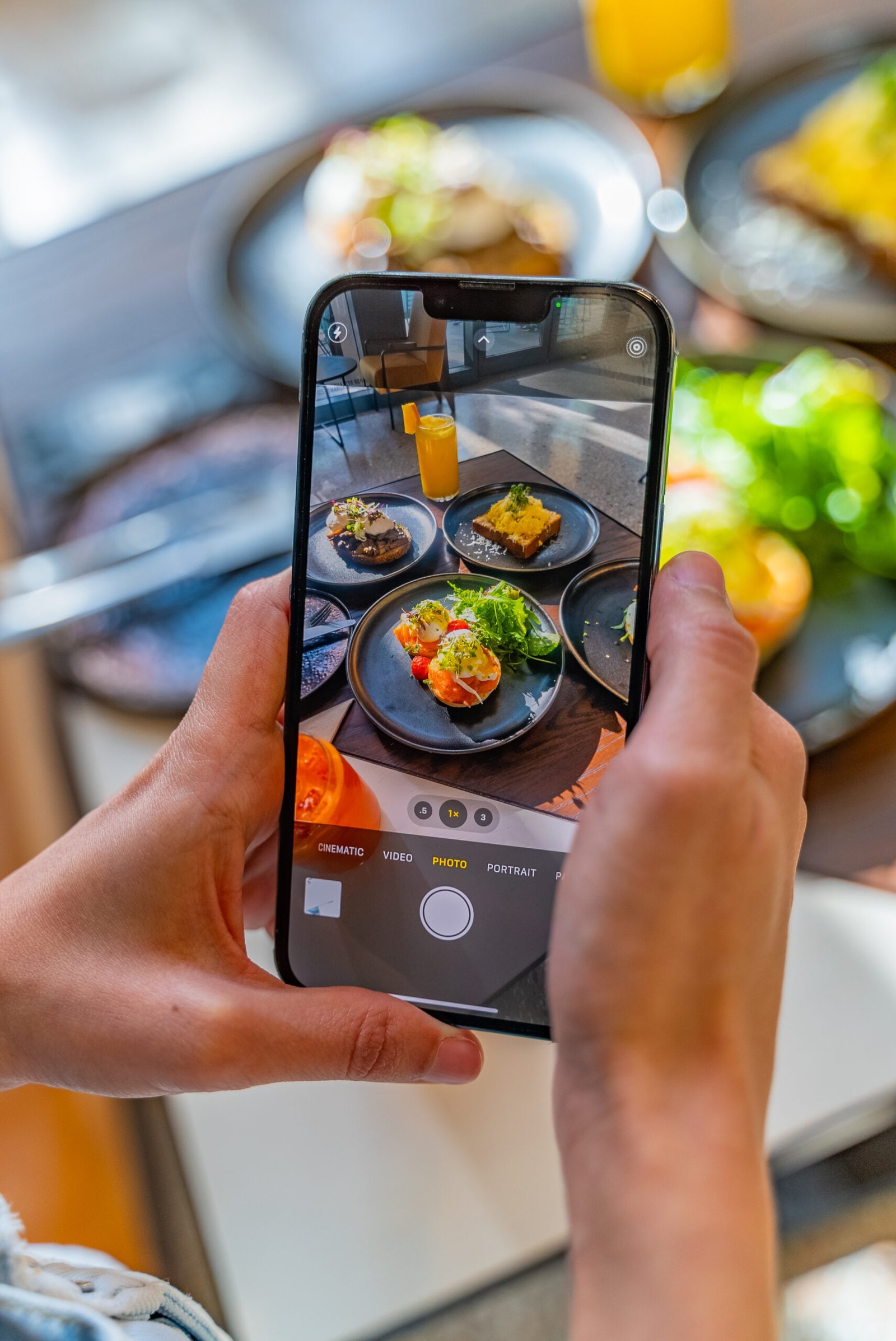
For restaurants, coordinate preparation and styling so dishes arrive at camera in sequence without disrupting live service.
Balance perfection with life
Clean architectural photographs establish design, but lived-in scenes explain scale and feeling. Use carefully cast or real interactions that match the actual guest experience.
Capture wide context, medium service and tactile details so the final edit has rhythm.
- Website and booking-page hero images
- Rooms, tables, facilities and architectural details
- Signature dishes, drinks and preparation
- Staff portraits and natural service
- Vertical arrival, reveal and experience sequences
Create for each channel deliberately
A booking engine needs clear horizontal proof; social media needs concise vertical stories; press often needs high-resolution editorial choices. Record those needs before the shot list is approved.
Leave space for copy and produce seasonal variations without sacrificing the evergreen core library.
Keep the promise accurate
Photography should refine the real experience rather than imply facilities, portions or views a guest will not receive. Accuracy protects trust and reduces disappointment after booking.
Review the final library by guest question and campaign use, then label it so teams can find the right asset quickly.
Plan the first refresh before the shoot ends
Separate evergreen assets from seasonal material while the shot list is being built. The rooms, service principles and signature experience may last for years; menus, promotions and decorative details may need a shorter refresh cycle.
Record what was not available on the shoot day and set a realistic date for the next capture. A planned quarterly or seasonal update is more efficient than rebuilding the whole library when one campaign changes.
Store the final images by space, service and season, and note the date of capture. This makes it easier for booking, press and social teams to avoid using outdated rooms, menus or styling.
Frequently asked questions
How long does a hotel or restaurant content shoot take?
A focused restaurant session may take several hours; a hotel with rooms, facilities, food and lifestyle scenes may require one or more full days.
Should we photograph with real guests?
Use people with clear permission and a planned role. Staff or models often provide more control, while authentic real-guest moments can add credibility where consent allows.
Do we need a food stylist?
It depends on the menu, volume and campaign standard. The chef may lead styling for authentic service imagery, while a dedicated stylist can protect consistency during larger productions.