
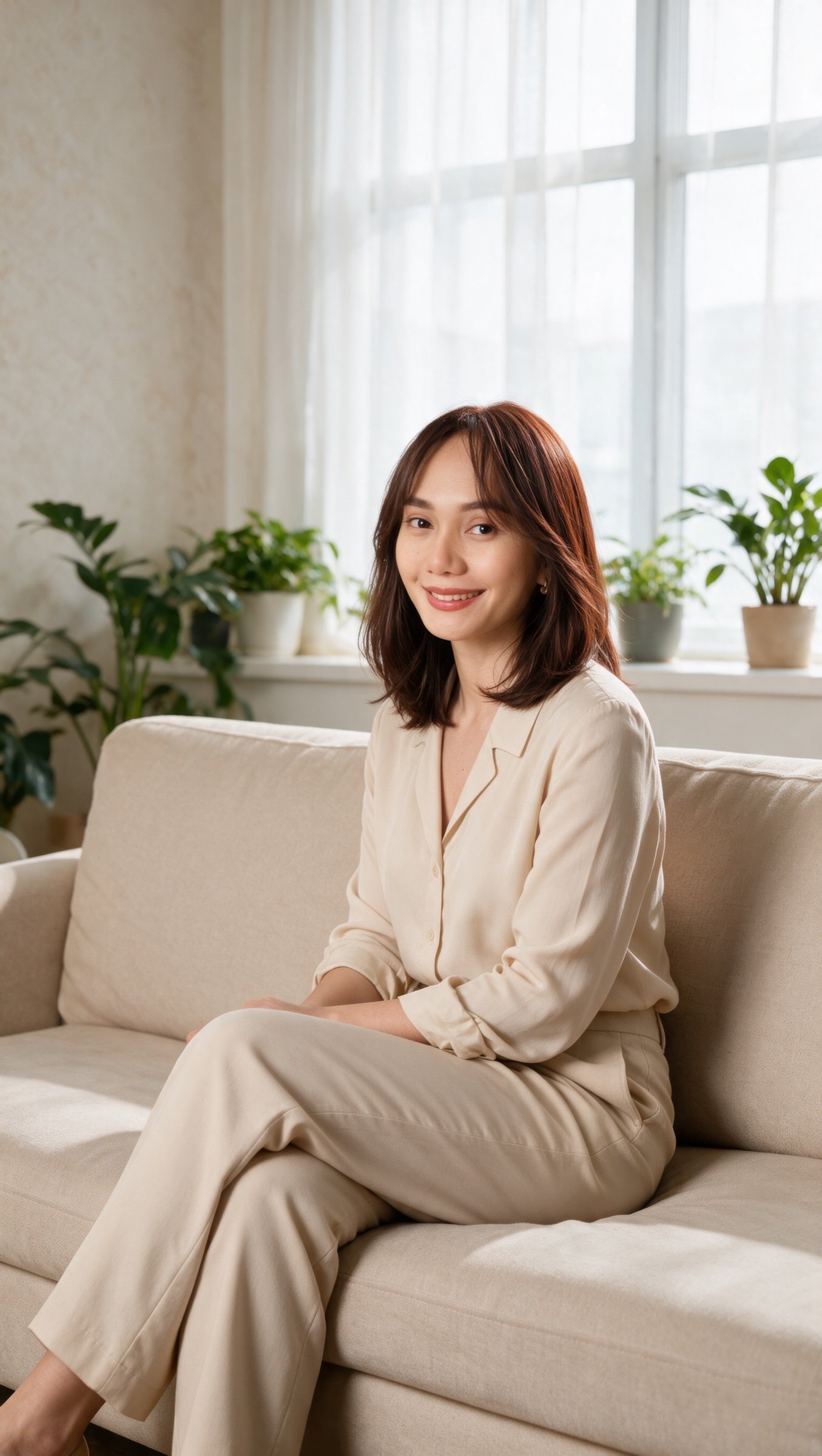
Define what the portraits need to communicate
List the primary uses before choosing a background or pose. A formal annual report, approachable consultancy website and founder press profile can each require a different balance of authority, warmth and environmental context.
Write three or four qualities the portraits should share, such as calm, direct, modern or established. This gives the photographer a practical creative standard without asking every person to perform the same expression.
Choose a visual system that can be repeated
Specify crop, camera height, background, lighting direction and the amount of visible environment. If future starters will be photographed later, record the setup carefully enough that new portraits can join the existing set.
Consistency does not require identical body language. Small adjustments in angle, posture and expression help each person look comfortable while the overall page still feels coherent.
- Primary website crop and social-safe alternative
- Background colour or environmental location
- Lighting and shadow character
- Expression range and level of formality
- Colour, monochrome and retouching standards
Decide between on-site and studio headshots
An on-site setup reduces travel for a larger team and can create useful environmental portraits. It needs enough space for the background, lights, camera position and a private waiting area, plus control over interruptions and room bookings.
A studio offers predictable light and fewer operational distractions, which can suit smaller leadership groups or individuals who need several looks. Compare the total team time, not only the photography fee.
Build a schedule people can realistically keep
Simple, consistent headshots may need ten to fifteen minutes per person; senior portraits, multiple crops or environmental variations need longer. Add short buffers throughout the day rather than allowing one delayed meeting to affect every appointment.
Send calendar invitations with the exact room, arrival time and wardrobe guidance. Name one internal coordinator who can locate people and approve any necessary changes without slowing the set.
Give wardrobe guidance without creating uniformity
Recommend clothing that fits the organisation's normal client-facing standard. Solid colours, restrained patterns and considered layers often work well, but the advice should reflect the chosen background and brand palette rather than generic rules.
Ask people to bring one simple alternative if time permits. Glasses, jewellery and hair should remain recognisable; the aim is a polished version of the person colleagues and clients will actually meet.
Plan selection, naming and future updates
Decide whether people select on the day, whether a communications lead approves the final set and how many finished files each person receives. A defined process prevents inconsistent favourites from weakening the visual system.
Deliver by full name and agreed crop, with a master archive for future formats. Keep the setup notes and schedule a simple process for new starters so the company page does not gradually return to mismatched portraits.
Frequently asked questions
Can corporate headshots be photographed in our London office?
Yes. The photographer will need a suitable room or environmental area, access to power, enough depth for the chosen background and a schedule that protects the setup from meetings or foot traffic.
How long should we allow per person?
Allow roughly ten to fifteen minutes for a straightforward repeatable headshot and longer for senior portraits, wardrobe changes or environmental variations. Include buffers between groups.
Can everyone receive LinkedIn and website versions?
Yes. Agree the required crops, resolution and naming before delivery so each person and the communications team receive files suited to their channels.