
Decide what the photographs are for
A family archive, personal portrait, anniversary session and professional profile each need a different balance of polish and informality. Tell your photographer where the images will live and how you want to feel when you see them.
This purpose shapes the location, orientation and amount of variety required. A session for framed family photographs may prioritise connection and group combinations; a personal brand session may need space for text, several crops and a wider range of expressions.
Choose clothing that supports the portrait
Wear clothes that feel like a refined version of you. Clean shapes, considered texture and a controlled palette tend to photograph well because they keep attention on expression. Exact matching is rarely necessary for families; coordination through tone and form is usually more natural.
Avoid introducing an unfamiliar outfit on the day. Sit, walk and move in it beforehand. If something needs constant adjustment in the mirror, it will probably interrupt the session as well.
- Steam clothing and check it in natural light
- Bring comfortable shoes if the route includes walking
- Keep bags and accessories to a manageable minimum
- Choose one backup layer rather than a full suitcase
Select a location for atmosphere, not status
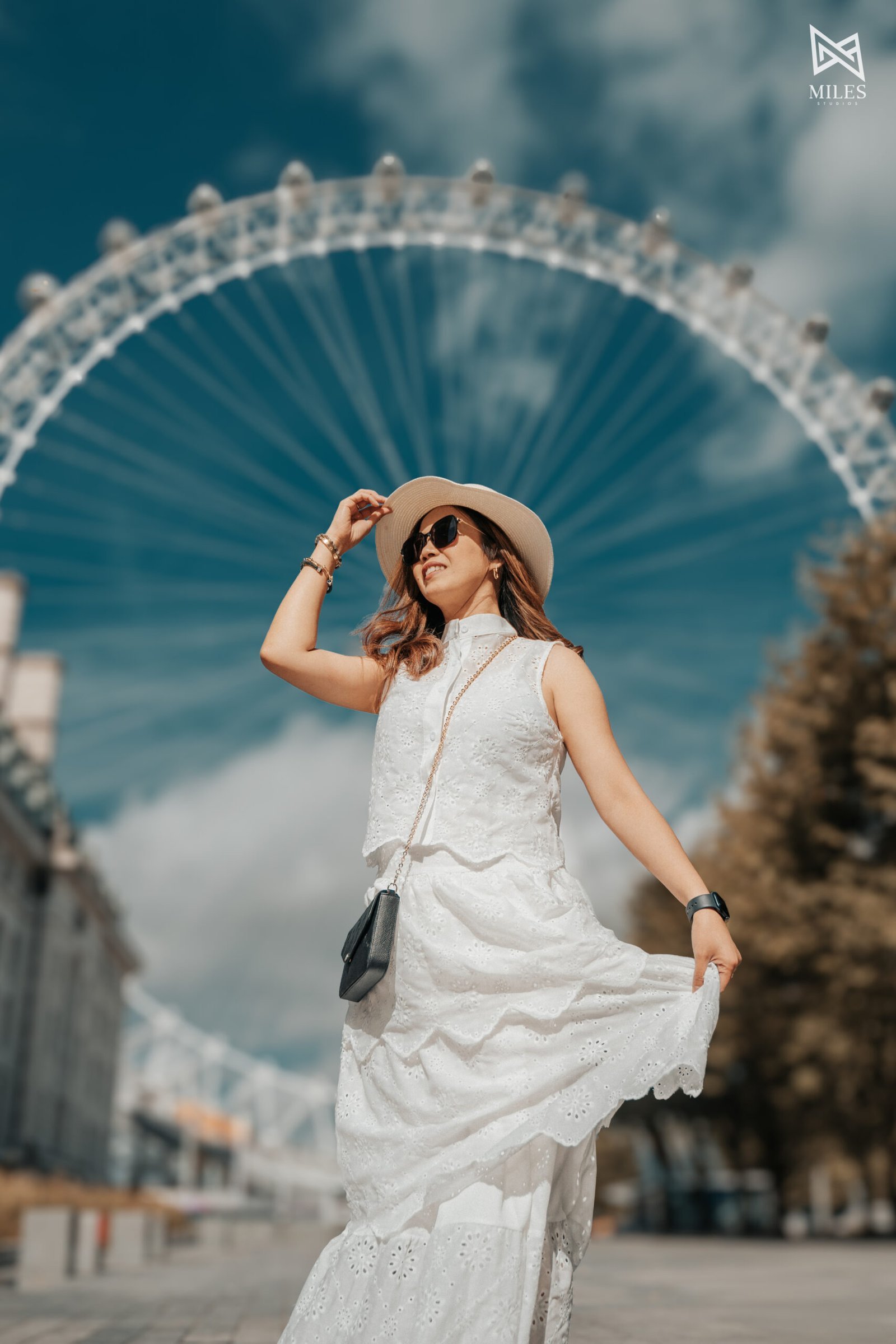
The best location is one that supports the story and allows you to move comfortably. Westminster can provide a strong London identity; quieter streets can feel more intimate; a hotel or home can give personal context and shelter.
Consider privacy, walking distance, accessibility and the likelihood of crowds. A beautiful place that creates tension is less useful than a simple setting where you can relax.
Expect direction that leads to movement
Good posing is rarely a sequence of rigid positions. Direction may begin with where to stand and then move into walking, turning, talking or interacting. Small actions create more believable posture and expression than being asked to smile repeatedly.
Tell the photographer about anything that makes you self-conscious. Clear information helps them choose flattering angles and give direction without drawing attention to the concern throughout the session.
Prepare children without over-preparing them
For family sessions, describe the day as time together rather than a performance. Children do not need to hold a smile or look at the camera continuously. Their movement and curiosity are often what make the photographs personal.
Plan around rest and food where possible. Bring one quiet comfort item and a simple snack, but avoid a large collection of toys that competes for attention. The session should have room for pauses.
Leave room for the unexpected
Weather, light and the energy of a city session can shift. A useful plan has a clear starting point and enough flexibility for the photographer to respond. Some of the strongest frames arrive between the planned ones.
Your responsibility is not to manufacture a perfect expression. Arrive on time, put the phone away when possible and trust the process. Calm attention will do more for the portrait than perfect posing.
Frequently asked questions
How long should a portrait session be?
Around 90 minutes to three hours can work depending on the number of people, locations and intended variety. Families with young children often benefit from a focused plan rather than a very long session.
What happens if it rains?
A flexible route can use covered streets, interiors or a short pause. Light rain can also create beautiful reflections. The decision depends on safety, comfort and the intensity of the weather.
Can you help us pose?
Yes. Direction should be part of a professional portrait experience and can be adapted to individuals, couples, families and people who feel nervous in front of the camera.